INSIDE THE STUDIO
From experience to paint.
I carry impressions of places into the studio: changing light, weather, distance and the feeling of being there.
The painting grows from those impressions. Memory and imagination guide what stays, what changes and what is left out.
See the process →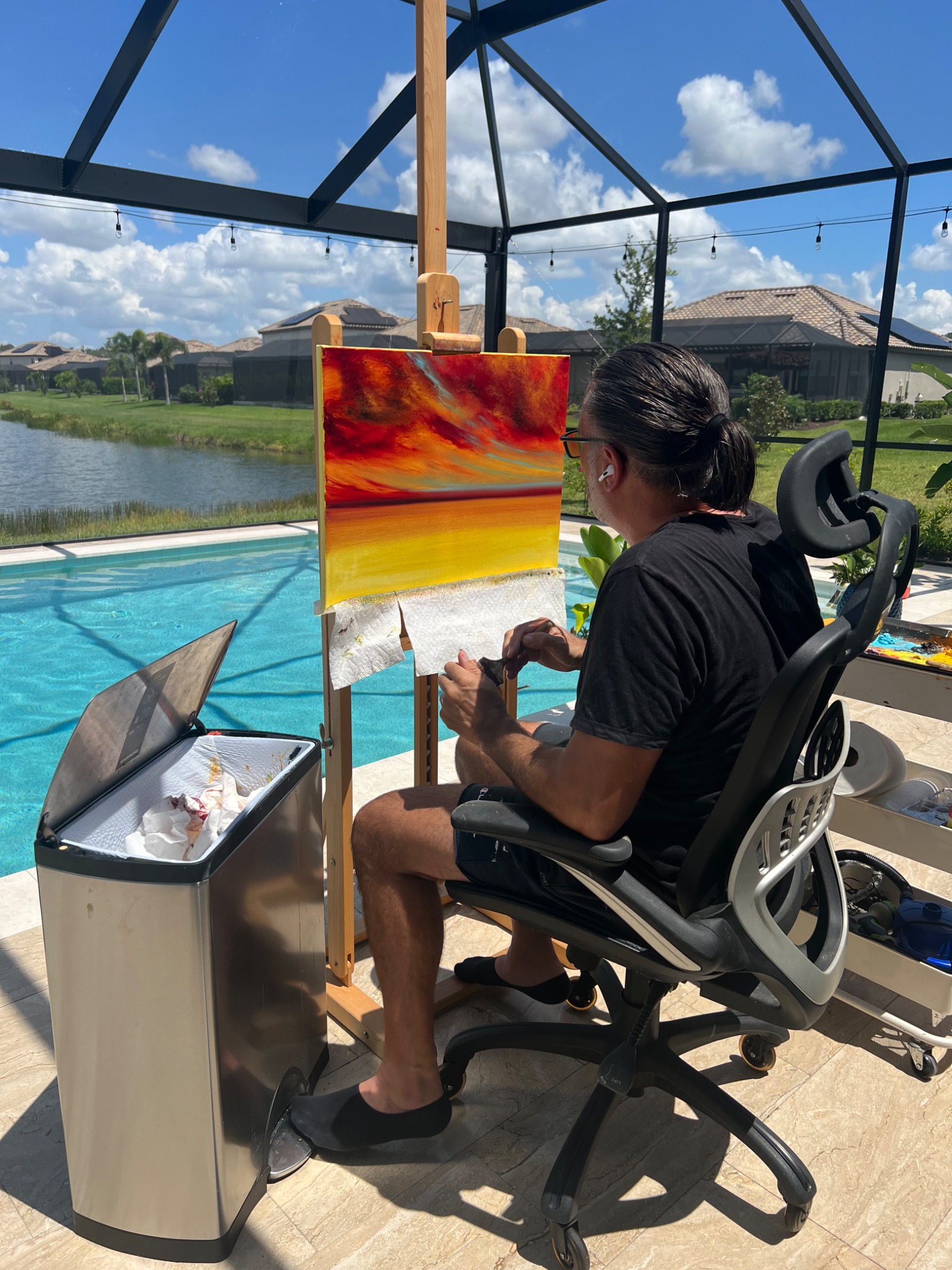
THE LANGUAGE OF PAINT
Layer. Remove. Rebuild.
A toned ground, transparent colour and the movement of brush and palette knife shape the surface. Each decision changes the next.
A look at the painting process.
Light and atmosphere
Transparent passages allow earlier layers to remain visible, building distance and the sense of light moving through space.
Brush and palette knife
A stroke can suggest the landscape while remaining visibly paint. Thicker marks give structure and emphasis; quieter passages leave room for them.
Revision
I add, remove and rework until the painting has a life of its own. The place remains the starting point, while the surface carries the decisions made along the way.
THE PLACE COMES FIRST
What stays with me.
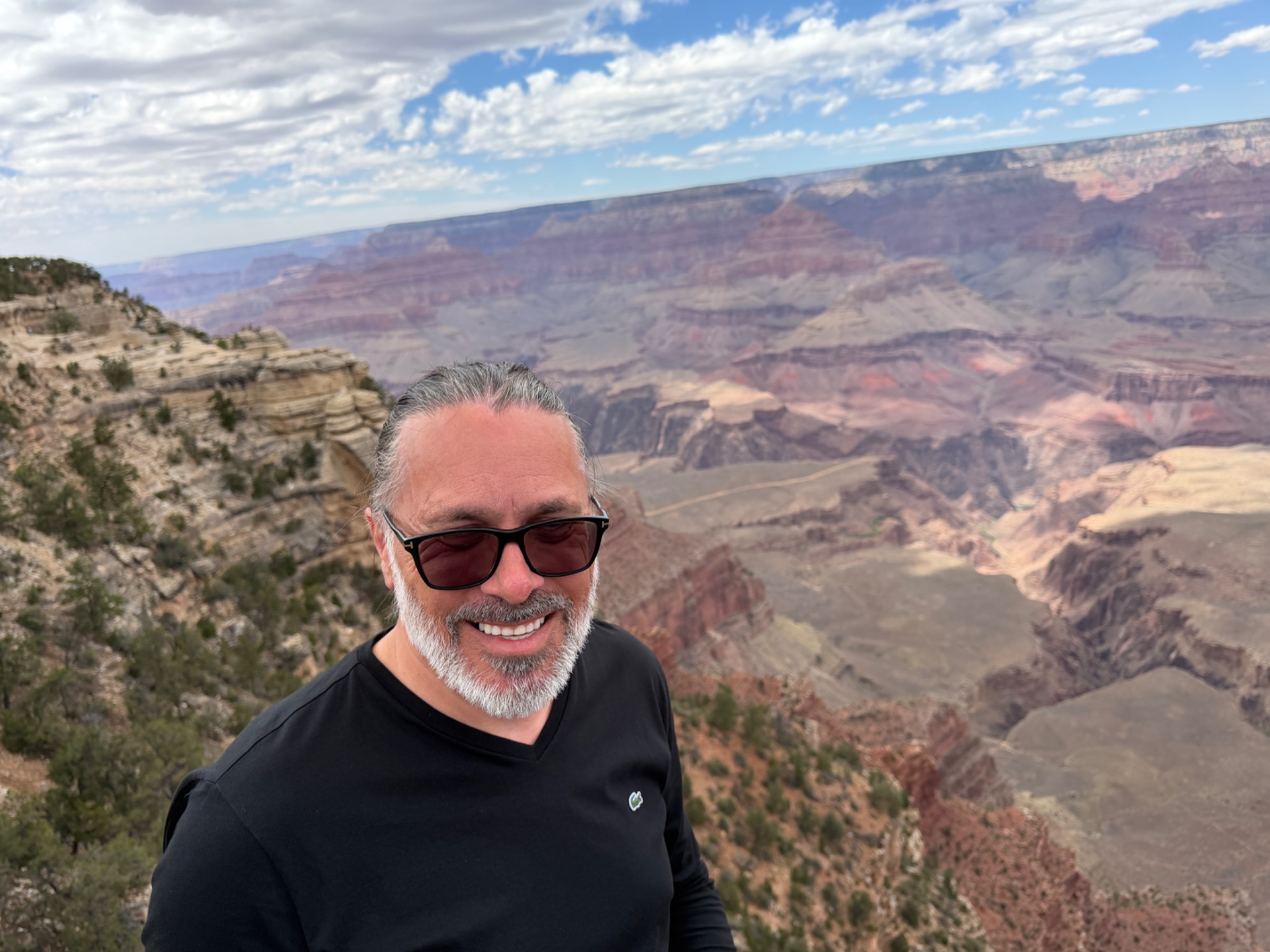
Travel keeps the work connected to lived experience. A photograph can record the view; being there leaves something more personal to return to.
Back at the easel, that experience is free to become something different through colour, atmosphere and paint.
Explore the journeys →